
We all know that one chacha ji.
The one who becomes quietly interested in your finances the moment your salary starts sounding respectable. The conversation never opens with insurance. It begins gently, almost lazily. Work questions. Whether the company treats you well. Whether you are saving anything at all or just watching your paycheck disappear into weekend outings, food delivery, and that expensive gym membership you rarely use. Tea arrives. Sometimes biscuits. The tone stays relaxed long enough that you forget conversations like this usually have a destination.
Then the folder appears.
Inside are insurance brochures. Usually from Life Insurance Corporation of India. A ULIP perhaps. Maybe a traditional policy. Occasionally he insists everyone must buy health insurance because “medical costs these days are frightening.” The explanation unfolds slowly, patiently, as if rehearsed many times before. One plan protects your family. Another helps your money grow steadily over time. A third one, very conveniently, saves tax under Section 80C.
Without quite noticing when it happened, the conversation shifts.
But somewhere over the last decade the rhythm has changed slightly. People have begun searching for insurance themselves. Instead of waiting for someone to recommend a policy, they open a laptop or scroll through their phones and start exploring what exists in the market. Premiums appear in columns. Coverage limits line up neatly beside them. Waiting periods, room rent caps, claim ratios. Details that once required a long explanation now appear instantly.
Platforms like Policybazaar and Ditto Insurance have made that behaviour almost routine while Finanjo aims to offer personalised insurance plans to the users. What used to feel like a complex financial purchase now sometimes resembles online browsing. You open several tabs. Compare numbers. Close them. Come back later after dinner. Maybe read a few reviews before sleeping.
A few clicks here. A comparison chart there.
Eventually the thought arrives – If buying health insurance online has become this easy, do agents still serve a purpose or are they slowly becoming part of an older system that technology has already replaced?
Why Health Insurance Online Has Become Hard to Ignore?
The real shift is not actually about where people buy insurance. It is about why they are thinking about it at all.
Healthcare in India has changed dramatically over the last couple of decades. Hospitals now offer advanced treatments, modern diagnostic machines, and specialized departments dedicated to almost every medical field imaginable. Cardiology, oncology, neurology, orthopedics. Procedures that once required travelling abroad can now be performed in major Indian cities with remarkable expertise.
Progress rarely arrives cheaply though.
Medical treatment today carries price tags that would have seemed startling not too long ago. Even relatively straightforward procedures can stretch into several lakhs once every cost finds its way into the bill. Admission charges, laboratory tests, imaging scans, doctor consultations, surgery fees, medications, follow up monitoring. Each component looks manageable on its own, but collectively they accumulate with surprising speed.
Many families only realize the full cost when the final hospital invoice appears.
Recovery time introduces another layer of strain that people often underestimate. The patient may need weeks away from work. Someone else in the family might step in to manage caregiving responsibilities. Daily routines shift. Income slows while expenses continue moving forward.
Instead of draining savings during medical emergencies, a policy absorbs a large portion of hospitalization expenses. The financial pressure softens. Conversations inside the family change tone. Decisions revolve around treatment quality rather than affordability alone.
That difference, subtle at first glance, carries enormous weight when illness actually arrives. Healthcare inflation has been climbing steadily in India. Many people have slowly begun to see health insurance less as a financial instrument and more as a protective layer quietly waiting in the background. It looks simple on paper. It rarely is.
The Traditional Route: Buying Through an Agent
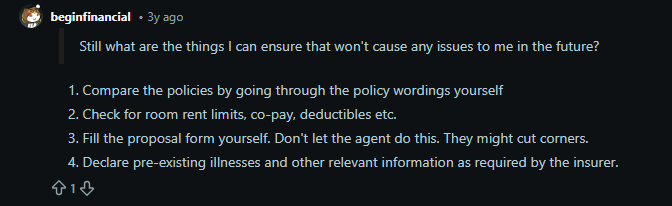
For decades, agents formed the backbone of India’s insurance ecosystem.
Companies like Life Insurance Corporation of India built extensive networks of representatives who operated across cities, towns, and rural communities. These agents became the first point of contact whenever someone considered purchasing insurance. Their responsibilities went far beyond handing over brochures and collecting signatures.
Agents explained policies in everyday language, helped customers complete lengthy application forms, arranged medical tests if required, and occasionally assisted families during claims. Over time the relationship often extended across multiple policies. The same agent might handle life insurance, health insurance online, and investment linked products for the entire household.
Trust developed gradually.
Financial decisions in India are rarely made alone. People prefer discussing important choices with someone who understands their circumstances beyond the numbers written on a document. An agent who has known a family for years often becomes that person. He knows their financial habits, their responsibilities, their cautious tendencies.
Insurance documents are not exactly known for clarity. They contain clauses about waiting periods, deductibles, exclusions, room rent limits, sub limits for certain procedures. The wording can feel dense, occasionally confusing. A good agent translates those terms into something more approachable, explaining what actually matters and what can safely be ignored.
But the structure of the industry introduces its own complications.
Agents earn commissions when policies are sold, and different products offer different commission levels. While many agents genuinely try to recommend suitable plans, incentives inevitably influence how products are presented. The policy receiving the most enthusiastic explanation is sometimes the one that happens to be most profitable. It does not always mean the advice is wrong. Still, it is something buyers should quietly keep in mind.
The Rise of Health Insurance Online Platforms
Digital platforms have altered this landscape in quiet but meaningful ways.
Instead of hearing about one policy through one agent, buyers now encounter multiple options simultaneously. Premiums sit side by side. Coverage limits are displayed clearly. Waiting periods and exclusions appear in structured tables that encourage comparison rather than persuasion.
The experience feels different. Less conversational. More analytical.
Several insurers including HDFC ERGO General Insurance, Star Health and Allied Insurance, ICICI Lombard, and Niva Bupa now allow policies to be purchased entirely online.
The process itself follows a sequence that feels familiar to anyone who has filled out digital forms before.
| Step | What Happens |
| Personal details | Age, city, and family members entered |
| Policy comparison | Plans from multiple insurers displayed |
| Health declaration | Medical history disclosed |
| Documentation | Supporting documents uploaded if needed |
| Payment | Premium paid digitally |
| Policy issuance | Policy document delivered electronically |
In many cases the entire journey can be completed in less time than a typical commute across the city.
For individuals comfortable navigating financial decisions online, that efficiency feels almost refreshing. It looks clean and logical. Real life compared to health insurance online decisions, of course, tend to get slightly messier once details enter the picture.
Advantages of Buying Health Insurance Online
Transparency stands out as the most noticeable advantage.
Buyers can examine several policies simultaneously instead of relying on a single recommendation. Coverage limits, exclusions, waiting periods, and claim ratios remain visible throughout the comparison process. This openness encourages careful evaluation, which sometimes leads to choices that feel more deliberate than those made during a quick sales conversation.
The pace of decision making changes as well. Online platforms allow people to read documents slowly, pause midway, and return later with fresh attention. No one expects an immediate answer. That absence of urgency subtly improves comprehension because buyers can revisit details they might otherwise overlook.
Cost occasionally becomes another factor. Digital purchases reduce certain distribution expenses, which means insurers sometimes price health insurance online policies slightly lower than those sold through agent networks. The difference is not dramatic, but careful buyers often notice it while comparing premiums.
Younger professionals in particular tend to appreciate this independence. They are accustomed to researching financial products online, whether those involve investments, credit cards, or loans. Insurance simply joins that broader habit of self directed exploration. Of course, reading policy documents late at night after work is rarely anyone’s idea of entertainment.
Advantages of Buying Through an Agent
Despite the growth of online platforms, agents continue to play an important role.
Insurance policies contain details that are easy to skim past when reading quickly on a screen. Waiting periods for specific illnesses, caps on certain procedures, conditions tied to hospital room categories. These elements may appear insignificant during comparison but can influence claims later.
Experienced agents usually know where such details hide. They also understand how insurers interpret those clauses when claims are filed. That contextual knowledge rarely appears in comparison charts yet becomes valuable during real situations.
There is also a human dimension that technology struggles to replicate. Insurance decisions revolve around uncertainty. Illness, accidents, unexpected hospitalizations. Discussing these possibilities with a knowledgeable person often makes the process feel less abstract. People ask questions they might hesitate to type into a search bar.
Claim assistance becomes especially relevant during stressful moments. When someone is hospitalized, families often find themselves navigating paperwork, hospital billing departments, and insurer requirements simultaneously. An agent who understands that process can occasionally simplify it. Not perfectly. But often enough to matter.
Comparing the Two Approaches
Examining both methods side by side clarifies how each serves different preferences.
| Factor | Buying Health Insurance Online | Buying Through Agent |
| Convenience | Very high | Moderate |
| Personal guidance | Limited | Extensive |
| Policy comparison | Immediate and broad | Depends on agent |
| Transparency | High | Variable |
| Claim support | Provided through customer teams | Often personal assistance |
| Cost | Sometimes slightly lower | May include commissions |
When Buying Health Insurance Online Makes Sense
Health insurance online purchasing works well for individuals who feel comfortable evaluating financial information independently.
Young professionals often fall into this category. They already research investments, credit cards, and loans through digital platforms. Reading policy features and comparing insurers simply becomes another extension of that habit.
Health insurance online with straightforward coverage also suits digital purchasing. Someone buying a basic individual health plan may not require extensive guidance. The features are relatively clear, and comparison tables provide sufficient information to make a reasonable decision.
Accessibility plays a role as well. People living in smaller towns may not have access to multiple insurance agents representing different companies. Health insurance online platforms remove that limitation by providing immediate exposure to a broader range of policies. It also allows buyers to quietly explore options before discussing them with family members.
When an Agent May Still Be Helpful?
Certain situations still benefit from personalized guidance.
Families purchasing insurance for elderly parents often encounter complicated policy conditions. Age related illnesses, waiting periods for chronic conditions, and coverage restrictions require careful interpretation before selecting the right plan.
Individuals with existing medical histories may also appreciate guidance while completing health declarations during the application process. Accurate disclosure matters greatly because incomplete information can affect claims later.
Agents frequently explain riders and optional benefits too. These additions can strengthen coverage, yet many buyers find them confusing when reading policy documents alone. What appears straightforward in a brochure can feel quite different once you start examining the fine print.
A Shift Toward Hybrid Insurance Experiences
Something interesting is gradually happening in India’s insurance market.
Many buyers now begin their journey via health insurance online. They read about policy features, examine claim settlement ratios, and compare premiums across insurers. The internet becomes the first research tool rather than the final purchasing channel.
Yet even after extensive browsing, people often feel the need to ask questions. Not necessarily to a traditional agent, but to someone who understands the details well enough to explain them calmly. Insurance policies contain enough nuance that reassurance occasionally becomes necessary before making the final decision.
Platforms such as Finanjo offer personalised insurance plans to the users. Digital comparison tools allow buyers to explore health insurance online independently while advisory support clarifies complex conditions before purchase.
Which, if you think about it, mirrors how most financial decisions actually unfold. Rarely in one neat step.
There is exploration. Some hesitation. A few conversations with people who might know more. Then eventually a decision that feels sensible enough for the moment, even if complete understanding only arrives later.
Sometimes when you find yourself explaining the policy to someone else across a cup of tea. Possibly a friend who has just started earning or perhaps a curious chacha who has suddenly begun asking questions about your financial planning.
Leave a Reply