It usually starts with a small pause. You reach for your wallet, expecting your card to be right where it always is, and suddenly, it isn’t. You check once. Then again. Maybe you empty the bag, hoping it slipped into a corner. But that sinking feeling in your chest tells you something’s wrong.
Your mind doesn’t stay calm for long. Did I drop it somewhere? What if someone finds it? What if it’s already being used? In just a few seconds, a missing card turns into a hundred worrying thoughts, all racing at once.
If you’re feeling that panic right now, take a moment. You’re not careless, and you’re not alone. This happens to more people than you think. The good news is it’s fixable. Banks are ready for situations like this, and there are clear steps you can take to protect yourself.
In this blog, we’ll go through exactly what to do, one step at a time when you credit card is lost.
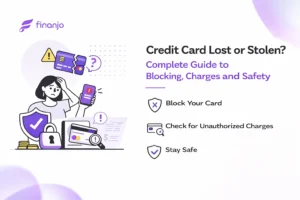
What to Do If Your Credit Card Is Lost or Stolen
Step 1: Block Your Credit Card Immediately
The moment you realise your credit card is missing, this step becomes your top priority. Not later. Not after you’ve checked one last pocket. Blocking the card right away puts a full stop to any possible misuse…and gives you back a sense of control when everything feels uncertain.
Many people worry they might be overreacting. You’re not. Even if the card turns up later, blocking it is always the right decision.
The reassuring part? Blocking a credit card is instant and completely free. The second your bank blocks it, the card becomes unusablefor swipes, online payments, and even contactless transactions.
1. Block It Through Your Mobile Banking App
If you have your phone with you, this is usually the fastest and least stressful option. Most bank apps have a dedicated section called “Cards,” “Card Services,” or “Card Controls.”
You’ll see an option like Block Card or Report Card Lost. A few taps later, the card is blocked immediately.
There’s no paperwork, no waiting, and no awkward conversations. You’ll often receive a confirmation message right away, which brings instant relief.
2. Call the Customer Care Helpline
If your app isn’t accessible or you’re unsure where to find the blocking option, calling customer care works just as well. Credit card helplines are available 24×7, because banks know these situations can happen at any time.
Once your identity is verified with basic details, the executive will block your card during the call itself. You don’t need to explain the entire situation just tell them the card is lost.
3. Use SMS or Internet Banking
Some banks offer the option to block your credit card through SMS or net banking. This is helpful if your phone app isn’t working or you’re using a laptop.
You simply send a predefined message or log in to your internet banking account and select the card-blocking option. The action takes effect almost instantly.
4. Visit the Bank Branch (Only If Needed)
Visiting a bank branch should be your last option, especially since it takes time and depends on working hours. If digital methods aren’t available to you, carry a valid ID and inform the bank staff about the lost card.
They’ll help you block it, but this process is slower compared to online options.
Important to remember:
- Blocking your credit card is instant
- It is completely free
- Once blocked, no transaction can go through
- You’re protected from further misuse from that moment onward
- Blocking the card may feel like a small step, but it’s the one that matters most. Once it’s done, you can move to the next steps with a much calmer mind.
Step 2: Check Recent Transactions Carefully
Once your card is blocked, things usually feel a little calmer. That initial rush of panic starts to settle. Now, this is the point where you quietly check what’s already happened, just to be sure.
Open your mobile banking app or internet banking account and take a careful look at your last 10–15 credit card transactions. Don’t rush through them. Give yourself a few minutes and go line by line.
Look Closely at Every Entry
Scan each transaction and ask yourself a simple question: Do I remember this purchase?
Sometimes fraud isn’t dramatic or obvious. It can be a small amount, an unfamiliar merchant name, or a charge that looks slightly off. Even if the amount is tiny, it’s worth paying attention to those small charges are often used to test a stolen card.
If something feels unfamiliar or doesn’t ring a bell, don’t brush it aside. Your instinct matters here.
Identify Anything That Doesn’t Belong
You don’t need to be 100% sure for something to count as suspicious. If you don’t recognize the merchant, the amount, or the timing, mark it mentally or better, write it down.
Make a short note of:
- The date of the transaction
- The merchant name (even if it looks confusing)
- The amount charged
These details will matter if you need to speak to the bank next.
Take Screenshots or Keep Records
Memory fades, especially when you’re stressed. Take screenshots of any transaction that looks odd, or save the details in your phone notes. This small step can save you from repeating the same information again and again when reporting the issue.
It also helps you feel prepared, instead of anxious.
If Everything Looks Fine, That’s Okay Too
In many cases, people realise the card was lost but never misused and that’s a huge relief. Still, checking your transactions gives you confirmation and peace of mind. You’ll know exactly where you stand.
By the time you finish this step, you’ll either feel reassured or ready to take action with clarity. Either way, you’re doing the right thing.
Step 3: Report Unauthorized Transactions (If Any)
Seeing a charge you don’t recognise can be unsettling. Your mind immediately jumps to worst-case scenarios. But take a moment to breathe—this situation is far more common than it feels, and banks are well equipped to handle it.
What truly matters now is reporting the transaction as soon as you notice it. Acting quickly protects you, and it tells the bank exactly where the problem started.
How to Report Fraud Without Stress
You don’t need to figure everything out on your own. Banks offer multiple ways to report unauthorised credit card transactions, so you can choose what feels easiest at that moment:
- Mobile banking app: Most apps have a clear option like Report Fraud, Dispute Transaction, or Card Issues. You can raise a complaint directly from there.
- Customer care helpline: If you prefer speaking to someone, call your bank’s credit card helpline. It’s available 24×7, and the executive will guide you step by step.
- Internet banking or email: Some banks also allow disputes through net banking portals or official support email IDs.
Keep the transaction details handy, the screenshots or notes you took earlier will help. You’ll usually be asked for the date, amount, and merchant name. Once shared, the bank officially records it as a disputed transaction.
What the Zero-Liability Policy Really Means
This is one of the biggest worries people have: Will I lose my money?
In most cases, the answer is no.
Banks in India follow a zero-liability policy, which means you are not held responsible for fraudulent transactions if you report them within the prescribed time. As long as you informed the bank promptly after noticing the issue, the liability does not fall on you.
Put simply:
If you did your part on time, the loss isn’t treated as yours.
What Happens After You Raise a Dispute
Once the dispute is registered, the bank begins its investigation. This happens behind the scenes you don’t need to chase anyone daily.
Here’s what usually follows:
- The bank reviews how and where the transaction took place
- In many cases, a temporary credit is issued while the investigation is ongoing
- The process typically takes 30 to 45 days, depending on the bank and merchant
- You’ll receive updates via SMS, email, or app notifications
- It may feel slow, but this timeline is standard and doesn’t mean anything is wrong.
Stay Calm and Stay Available
Occasionally, the bank may reach out for additional confirmation or documents. Responding on time helps speed things up, but beyond that, you can let the process unfold.
Reporting fraud can feel overwhelming, especially when money is involved. But once the dispute is raised, you’ve done everything right. From that point on, the bank takes over.
Step 4: Request a Replacement Credit Card
Now that your old card is blocked and any suspicious charges are taken care of, it’s time to get a replacement card. Think of it as hitting the “reset” button it’s your way of taking back control and moving forward without worry.
How to Request Your New Card
Banks know losing a card is stressful, so they’ve made requesting a replacement surprisingly simple. You can usually do it in whichever way feels easiest to you:
- Through your mobile banking app: Most apps have a Card Services or Request Replacement Card option. A few taps, and your request is sent. You’ll often get an instant confirmation, which is reassuring when your heart is still a bit jumpy.
- Call customer care: If you prefer talking to someone, call your bank’s helpline. Tell them your card was lost or stolen, answer a few quick security questions, and they’ll handle the rest. No need to feel embarrassed—they deal with this every day.
- Internet banking: Some banks allow you to request a replacement online. Log in, submit your request, and you’re done.
No matter the method, it’s quick, safe, and meant to get you back on track without extra stress.
What Changes With Your New Card
When your replacement card arrives:
- You’ll get a new card number and CVV, making the old card completely unusable. Your account is now fully secure.
- Your account itself doesn’t change—all your points, credit limit, and payment history remain exactly the same. You don’t lose anything; you’re just starting fresh with a safer card.
- Any pending transactions on the old card are either automatically handled or paused until the new card is active.
It’s a small thing, but knowing the new card is secure gives peace of mind like a weight being lifted off your shoulders.
Delivery Timeline
Most banks deliver replacement cards within 5–10 working days. Some even offer express delivery, which is helpful if you use your card daily.
While you wait, don’t panic about day-to-day payments. You can often continue using your account through digital wallets or online banking.
Fees (If Any)
- In almost all cases, replacement cards for lost or stolen cards are free.
- If you choose express delivery or request an extra card, a small fee may apply—but your bank will always inform you upfront.
Why This Step Matters
Requesting a replacement card isn’t just about getting a new piece of plastic—it’s about regaining control. By this point, you’ve blocked the old card, checked your transactions, and reported any fraud. Your replacement card is the moment where you truly feel secure again, ready to use your account safely without lingering worry.
What Happens to Your Old Card?
After you’ve blocked your lost or stolen credit card, it’s natural to wonder: What happens to the old card? Could I use it if I find it later? Let’s walk through everything so you feel completely in control.
1. The Old Card Becomes Permanently Inactive
Once your card is blocked, it’s fully deactivated, which means:
- No swipes at stores or POS machines will work
- Online payments, subscriptions, and wallets linked to the old card will be declined
- Contactless payments or tap-to-pay features are disabled
Think of it like a locked door—the card is effectively useless, and that’s exactly what keeps your account secure.
2. Even If You Find the Card Later, It Can’t Be Used
Sometimes people find the card tucked away in a pocket or drawer and wonder if they can still use it. Here’s the truth:
- The card cannot be reactivated once it’s blocked
- Attempting to use it will simply fail, which protects you from any accidental misuse
- Even if the card is physically in your hand, it’s no longer linked to your account in a functional way
Knowing this can give you peace of mind—you don’t have to worry about someone else stumbling upon it and using it.
3. Safe to Destroy the Card If Recovered
If you do locate your old card, the safest approach is to destroy it completely. This is simple but effective:
- Cut the card into multiple pieces, especially through the chip and magnetic stripe
- Dispose of the pieces separately, if possible
- This ensures no one can attempt to reconstruct or misuse the card
By doing this, you remove any lingering worry and can fully focus on using your replacement card safely.
Your old card is officially out of the picture. Blocking it was the most important step, and now it’s safe to let it go—physically and mentally. Your focus can shift entirely to your replacement card and keeping your account secure.
Will Losing a Credit Card Affect Your Credit Score?
Losing a credit card can feel like a little panic in your chest—but here’s some good news: just losing the card itself won’t hurt your credit score. Your credit score tracks how you manage your money, not where the plastic lives.
1. Losing Your Card Doesn’t Automatically Affect Your Score
- Your credit account itself is still active and in good standing.
- Your credit limit, payment history, and usage ratio remain unchanged.
- Banks expect people to misplace cards occasionally—it’s normal, and it doesn’t count as a financial mistake.
Think of it like misplacing your keys. The lock is still secure—you just need to regain access safely.
2. Only Unpaid Fraud Can Affect Your Score
The only time your credit score could take a hit is if fraudulent transactions go unreported and remain unpaid.
- Unpaid charges may appear as overdue payments to the credit bureaus.
- Late payments can affect your score, even if it wasn’t your fault.
- That’s why reporting any suspicious transactions immediately is crucial—it protects both your money and your credit history.
3. Timely Reporting is Key
Your best defense is quick action:
- Block your card immediately (Step 1)
- Check recent transactions carefully (Step 2)
- Report any unauthorized charges without delay (Step 3)
By following these steps, you’re not just protecting your account—you’re also keeping your credit score safe.
FAQs: Lost Your Credit Card? Don’t Panic
1. I just lost my credit card! What should I do first?
Take a deep breath. The first thing is to block your card immediately. You can do this via your bank’s app, customer care number, or internet banking. Acting fast is key to stopping any misuse.
2. Will I have to pay for any transactions I didn’t make?
Usually, no! If you report the loss quickly, banks have a zero-liability policy. That means you won’t be charged for anything done after you block the card.
3. How long will it take to get a new card?
For most banks, a replacement card arrives in about 5–10 working days. If you’re in a rush, some banks offer express delivery in just a couple of days, sometimes for a small extra fee.
4. Do I need to pay for a replacement card?
It depends on your bank. Many banks waive the fee for first-time losses or premium cardholders. If not, the fee is usually around ₹100–₹500, plus GST.
5. Can I block my card late at night or on weekends?
Yes! Most banks let you block your card anytime, 24/7, through apps or phone banking. Branches might be closed, but your card can still be blocked instantly.
6. What if I find my card after blocking it?
Even if it turns up later, the old card won’t work anymore. You’ll need to use the new replacement card issued by the bank.
7. Can someone use my lost card abroad before I report it?
Unfortunately, yes. That’s why blocking immediately is so important. Once blocked, the card can’t be used anywhere, including international transactions.
8. Should I still check my recent transactions after blocking it?
Definitely. Go through your last few transactions to spot anything suspicious and report it to your bank right away.
9. Will losing my card hurt my credit score?
Not at all. Losing a card doesn’t directly affect your credit score. Problems only arise if fraudulent charges are left unpaid for too long.
10. How can I avoid losing my card in the future?
- Only carry it when necessary
- Enable transaction alerts
- Never share your card details or OTPs
- Use mobile wallets for smaller payments
Leave a Reply