Are your best photos just sitting on your phone or hard drive, gathering digital dust?
What if those same shots could start earning you money while you sleep? Selling stock photos online is one of the easiest and most rewarding ways to turn your creativity into a steady source of passive income. In this blog, we will explore the ways of earning money by selling stock photos online.
What is stock photography really about?
Stock photography is simply the business of licensing your photos so others can use them for websites, ads, blogs, or even social media posts.
Every time someone downloads your image, you get paid.
There are two main categories:
- Microstock platforms like Shutterstock, Adobe Stock, and iStock, where anyone can upload and sell photos in large volumes.
- Macrostock agencies, which handle high-quality or exclusive photos sold at premium rates.
You’ll also come across two common licensing types
- Royalty-Free (RF), where your photo can be sold multiple times
- Rights-Managed (RM), which allows limited and often higher-paying usage rights.
By the end of this blog, you’ll know exactly how to start selling stock photos online from choosing the right niche and uploading your first images to finding the best websites and boosting your income over time.
So grab your camera (or even your smartphone), and let’s explore how you can turn your photography into profit: one click at a time.
Getting Started: The Foundation
Before you dream about earning your first dollar, let’s start with the basics…..the right gear, clean shots, and simple editing. Don’t worry, you don’t need to spend a fortune to get there.
Gear That Works (Without Breaking the Bank)
You don’t need a high-end camera to sell photos online. A good smartphone or a basic DSLR is more than enough. What truly sells is your eye for detail, lighting, and timing, not the camera brand.
If your photo tells a story or sparks emotion, it’s worth more than any expensive lens.
Quality Over Quantity
Stock sites like Adobe Stock and Shutterstock love sharp, bright, and clean images.
Just remember these quick rules:
- Go for at least 4 megapixels or higher
- Upload in JPEG (RAW or vectors work too if accepted)
- Keep lighting natural and details crisp
- Buyers want photos they can use right away simple, versatile, and professional-looking.
Edit Smart, Not Hard
Editing is your secret weapon.
- Tweak colors, fix brightness, and remove any dust or blur.
- But skip the heavy filters, clients want real, relatable images, not overprocessed ones.
- Erase any logos or brand names (no one’s buying a shot with a Starbucks cup front and center).
Keep it clean, keep it honest, and you’re ready to earn.
Understanding Releases: The Legal Stuff That Actually Helps You Earn
Okay, real talk!! You can take the most stunning photo ever, but if you don’t have the right permissions, you’re not making a single rupee from it.
Releases aren’t just boring legal forms, they’re your money passes to sell photos legally and get paid for them.
Let’s make this simple
Model Release = When People Are in the Picture

If your photo has a recognizable person, even your best friend or a stranger you’ll need a model release.
It’s basically their “I’m cool with you selling this” signature.
Why it matters:
- Photos with real people sell way faster and pay more.
- No release = no commercial sales (and that means less income).
Quick hack: Always keep a release form saved on your phone or use free stock apps that let people e-sign instantly.
More releases = more money.
Property Release = When Things Aren’t Public
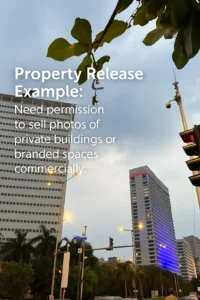
If your photo shows a private place, building, artwork, or brand, you need a property release.
It’s just the owner’s permission saying you can use their stuff in a commercial photo.
You’ll need it for:
- Homes, offices, or cool cafés
- Murals, art walls, or street designs
- Anything with a logo or brand name
Example: That cozy café shot? Can’t sell it for ads unless the café owner says yes.
No release = low-paying editorial sale.
Release = commercial goldmine.
Commercial vs. Editorial: The Big Money Difference
This one’s easy, it’s about how your photo is used:
Commercial Use (More $$$)
- Used in ads, marketing, and brand campaigns
- Needs releases (people + property)
- Brings bigger royalties and long-term income
Editorial Use (Less $$$)
- Used in blogs, news, or magazines
- No releases needed
- Sells faster during trending events but pays less
If your photo promotes something: it’s commercial.
If it tells a story: it’s editorial.
So yeah, those boring-looking release forms? They’re actually your ticket to making real money from your photos.
More permission = more uploads = more cash flow.
Which Shots Are Total Money-Makers Right Now?
Not every photo earns, but the right ones can bring steady passive income. The trick? Shoot what sells, not what’s cute.
1. Skip the Stock Clichés
No one’s paying for fake office smiles or handshake photos anymore.
Brands now want real, relatable, scroll-stopping images that feel human.
If it looks staged, it won’t sell.
2. Follow What’s Hot
Keep an eye on “Shot Lists” from Shutterstock or Adobe Stock, they literally tell you what’s trending.
High-paying topics right now:
- Mental health & self-care
- Sustainability & eco-living
- Remote work setups
- AI, gadgets, and modern tech
Trend = More searches = More downloads = More cash.
3. Shoot What Feels Real
Buyers love authentic vibes real people, real stories, real emotions.
Top-selling niches:
- Real-life people moments
- Lifestyle & modern family life
- Food, travel, drone, or aesthetic backgrounds
Find your niche → Stand out → Earn more.
Where to Sell Stock Photos (Your Ticket to Real Passive Income)
So you’ve got killer photos sitting in your gallery, but where do you drop them to actually make money?
Let’s break it down: two types of stock photo platforms, two very different ways to earn.
Microstock = More Sales, Smaller Checks (But It Adds Up )
Think of microstock agencies like Shutterstock, Adobe Stock, or Dreamstime as your photo side hustle playground.
They pay less per download, sure, but your photos can sell hundreds of times.
Why creators love it:
- Steady passive income that builds over time.
- You can start with your phone or entry-level DSLR.
- Great for testing what kind of photos actually sell.
One photo might make ₹50 per download, but 100 downloads later, that’s easy money while you sleep.
Macrostock = Fewer Sales, Bigger Bags
Now, if you’re ready to level up, enter the macrostock world.
These premium agencies (like Getty Images or Stocksy) want exclusive, high-quality, rare shots.
Why it’s worth the grind:
- Each sale can bring in ₹5,000+ or more.
- Your photos become part of the premium content pool.
- Brands and magazines are your new clients.
- It’s not about quantity, it’s about quality and exclusivity.
Pro Tip: Start small with microstock → learn what sells → then upgrade to macrostock for those big-money wins.
That’s how you go from “just uploading photos” to building a real photography income stream.
Where to Sell Your Photos and Actually Make Money in 2025
You’ve clicked beautiful shots, now it’s time to turn them into real cash.
But here’s the deal: not all stock photo platforms pay equally. Some are great for steady passive income, while others reward you big for premium, high-quality photos.
Let’s break down where your photos can start earning 24/7, even while you’re Netflixing or sleeping.
| Platform | How Much You Can Earn | Exclusivity | Perfect For |
|---|---|---|---|
| Shutterstock | 15%–40% per sale | No | Best for beginners — simple uploads and constant downloads = steady monthly income. |
| Adobe Stock | Up to 33% (35% for videos) | No | Great if you already use Photoshop or Lightroom — upload directly and earn handsomely. |
| Getty Images / iStock | 15%–45% | Optional | Go here if you’re a pro — high-end clients, premium rates, and global visibility. |
| Dreamstime | 25%–60% | Optional | Best for creators experimenting with different styles and niches. |
| Alamy | 40%–50% | Optional | A gem for specialist photographers -fewer sales but higher payouts per photo. |
Real Talk: What Actually Works
Start with Shutterstock or Adobe Stock to build confidence and consistent earnings.
Once your portfolio grows and you learn what sells, move on to Getty or Alamy, where one photo can earn you 5x more than average sites.
Pro Tip:
Don’t just upload photos…upload stories!
A good caption, title, and relevant keywords can double your downloads and make your pictures pop up faster in search results.
Because here’s the magic of stock photography:
You upload once and earn again, and again, and again.
Your Photos Deserve to Pay You Back
Let’s be real, your camera roll probably has hundreds of amazing shots just sitting there. What if even a few of them could earn you money while you sleep? That’s exactly what stock photography does, it turns your creative hobby into a quiet stream of passive income.
Here’s the golden formula:
Quality + Quantity + Smart Keywords = Steady Earnings.
It’s not about having fancy gear or perfect lighting, it’s about showing up, uploading regularly, and tagging your photos right so buyers can find them.
But remember, this isn’t a get-rich-overnight deal. Think of it more like planting seeds. The more effort you put in now, the more your income grows over time. Consistency is your best friend here.
So, what’s next?
- Pick one platform (try Shutterstock or Adobe Stock if you’re new).
- Upload your first batch of photos.
- Keep creating, experimenting, and tracking what sells.
Every upload is a step closer to your first payout and trust me, that first “You’ve earned money” email hits different.
FAQs on Earning Passive Income from Stock Photography
1. How can I earn money by selling my photos online?
You can upload your photos to stock photo platforms like Shutterstock, Adobe Stock, or iStock, where people and businesses pay to use your images. Every download earns you a royalty that’s your passive income.
2. Do I need a professional camera to start selling stock photos?
Nope! Many contributors start with a good smartphone. What matters more is clear lighting, sharp focus, and authentic subjects not expensive gear.
3. Which stock photo site pays the most?
Alamy and Getty Images usually pay the highest per sale, while Shutterstock and Adobe Stock offer more consistent downloads, helping you build steady monthly income.
4. How much can beginners earn from stock photography?
Beginners typically earn anywhere between ₹500 to ₹10,000 per month, depending on how many photos they upload and how well they’re tagged. Over time, consistent creators can earn ₹50,000+ per month passively.
5. What type of photos sell best on stock photo sites?
Photos that feel real, relatable, and relevant think diverse people, lifestyle moments, mental health, sustainability, remote work, and tech themes. Authenticity sells more than perfection.
6. Do I need model or property releases to sell photos?
Yes, for commercial use, if your photo has recognizable people or private property, you’ll need a signed release form. No release = only editorial sales (usually lower-paying).
7. Can I sell the same photos on multiple websites?
Absolutely! That’s called non-exclusive licensing. It helps you reach more buyers and increase your total income.
8. How often do stock photo websites pay contributors?
Most agencies pay monthly once you hit a minimum balance (like $25 or $50), usually via PayPal or direct transfer.
9. Is stock photography still profitable in 2025?
Yes, but the game has evolved. Today’s buyers want authentic, diverse, high-quality content, not overused corporate stock. Focus on trending topics and you can still earn well.
10. How do I increase my stock photo income faster?
Upload regularly, use relevant keywords, follow seasonal trends, and study what sells. The more searchable and useful your images, the faster your earnings grow.
Leave a Reply